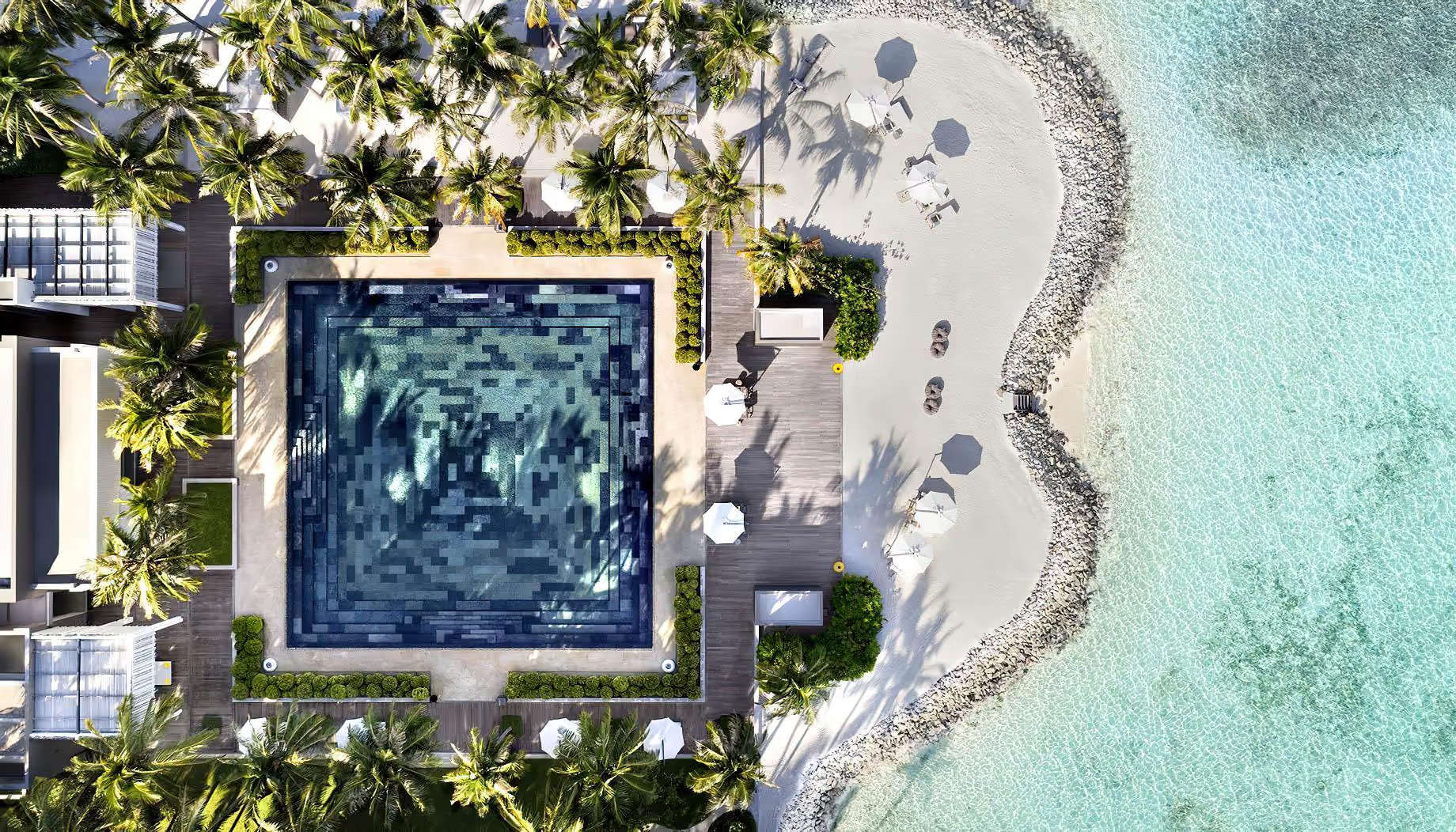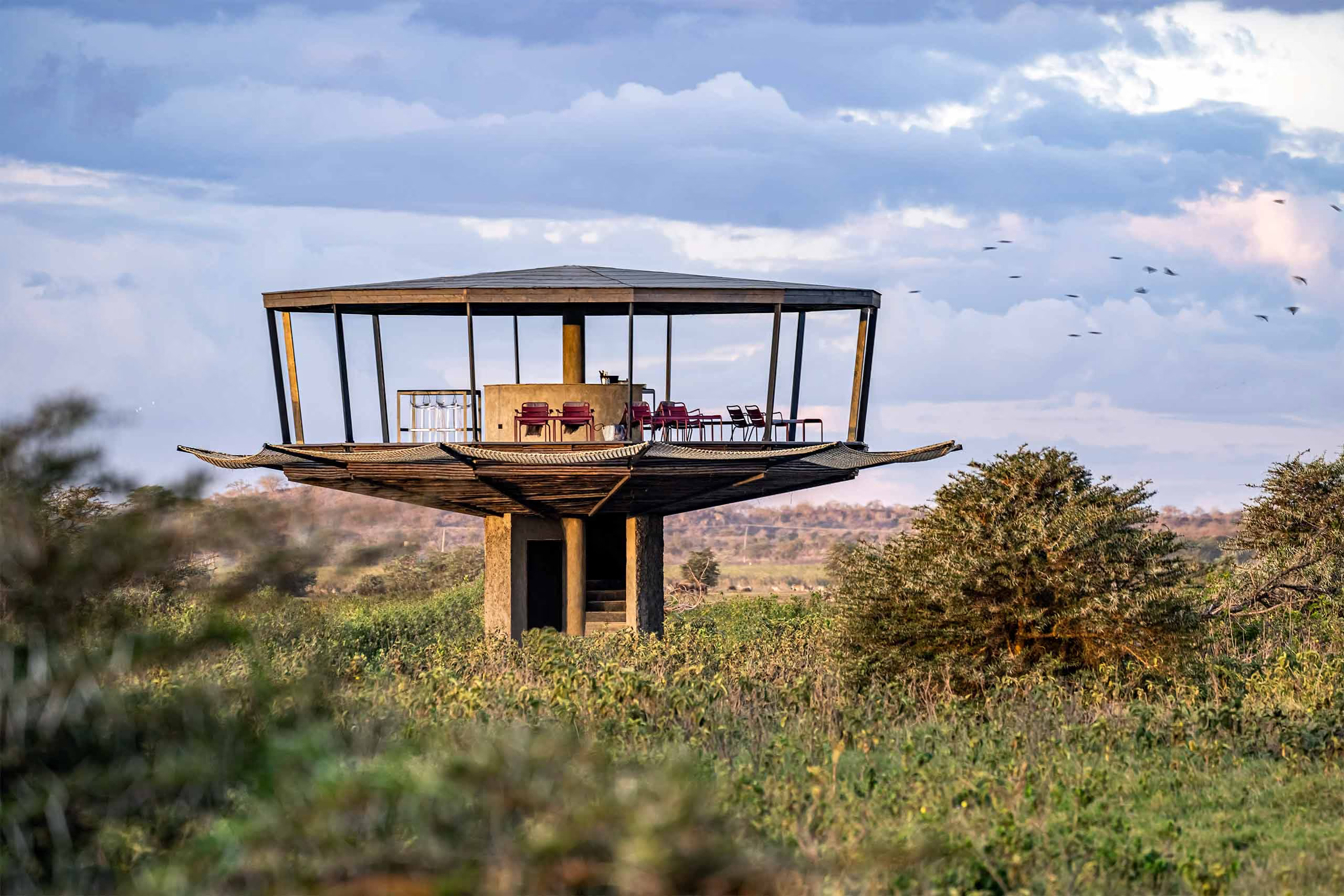
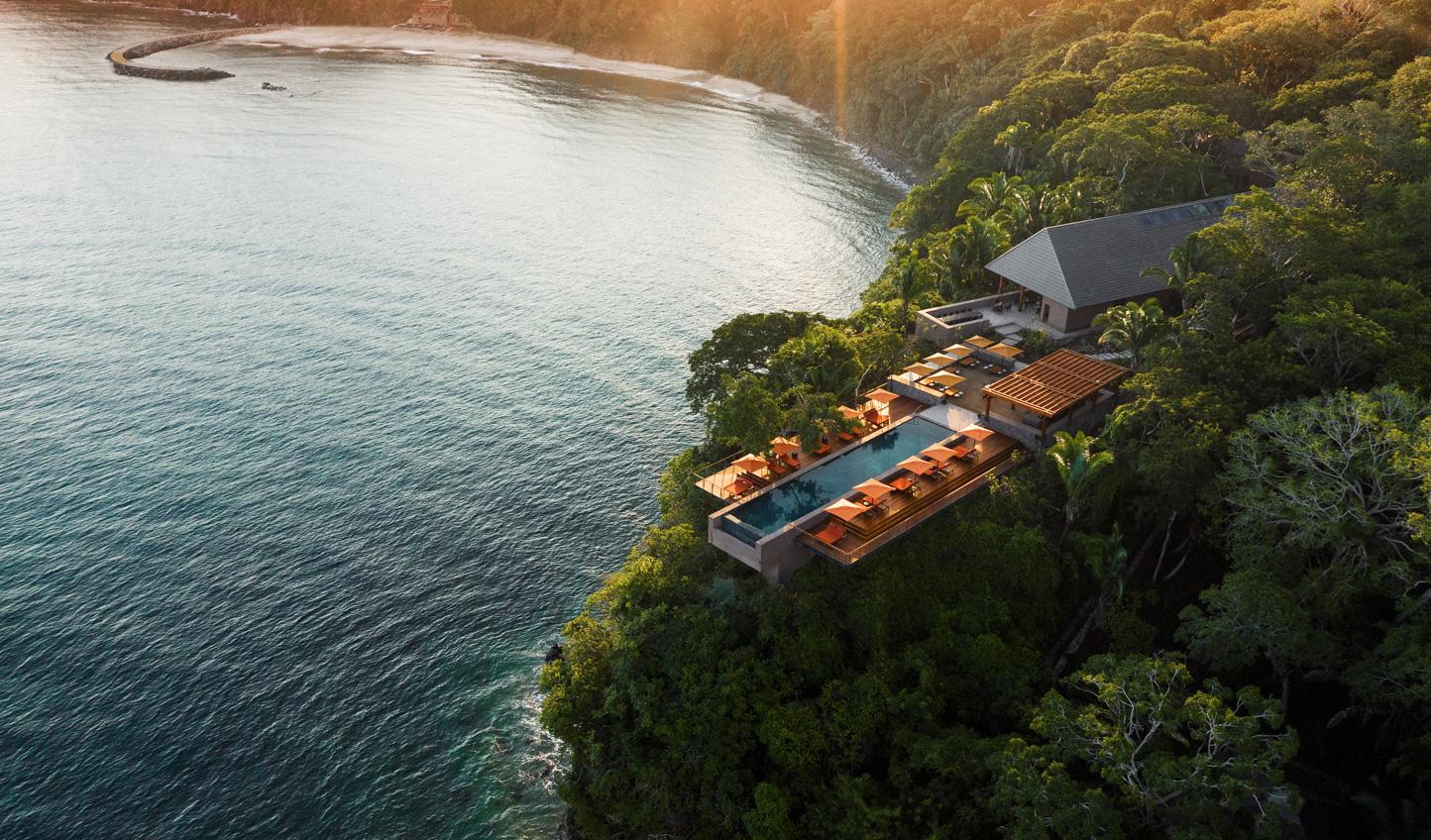
Image above: One&Only Mandarina Private Homes demonstrates how architecture, landscape and hospitality can come together to create an exclusive residential experience, balancing privacy with access to the wider resort's amenities and services. Image courtesy of One&Only.
The Value Behind the Brand
Branded residences achieve an average selling-price premium of 33% over comparable non-branded properties, rising to 39% in resort destinations, according to Savills' 2025 research. But what are buyers actually paying for, and how does the hospitality promise translate into a residential environment?
Knight Frank's September 2026 report recorded 903 branded residential developments globally at the end of 2025, with approximately 1,088 projected by the end of 2026. Once predominantly associated with luxury hotel operators, the sector is diversifying as fashion, automotive and lifestyle brands increasingly enter the market.
Understanding the commercial model
Typically, a developer builds and sells the residences under a licensing arrangement, while the brand contributes its identity, standards, expertise and, in some cases, an established operating platform.
Purchasers acquire privately owned homes alongside access to a hospitality ecosystem that may include concierge services, housekeeping, wellness facilities, private dining and exclusive resident amenities. These services are generally supported through ongoing service charges, with additional services available on demand.
For developers, branded residences can support higher residential values, while off-plan sales may generate capital to help finance an associated hotel or reduce borrowing requirements.
The model creates a relationship between brand recognition, development viability and hospitality operations. However, the brand alone does not account for the premium. Location, design quality and operational execution remain important factors.
Hospitality without the hotel
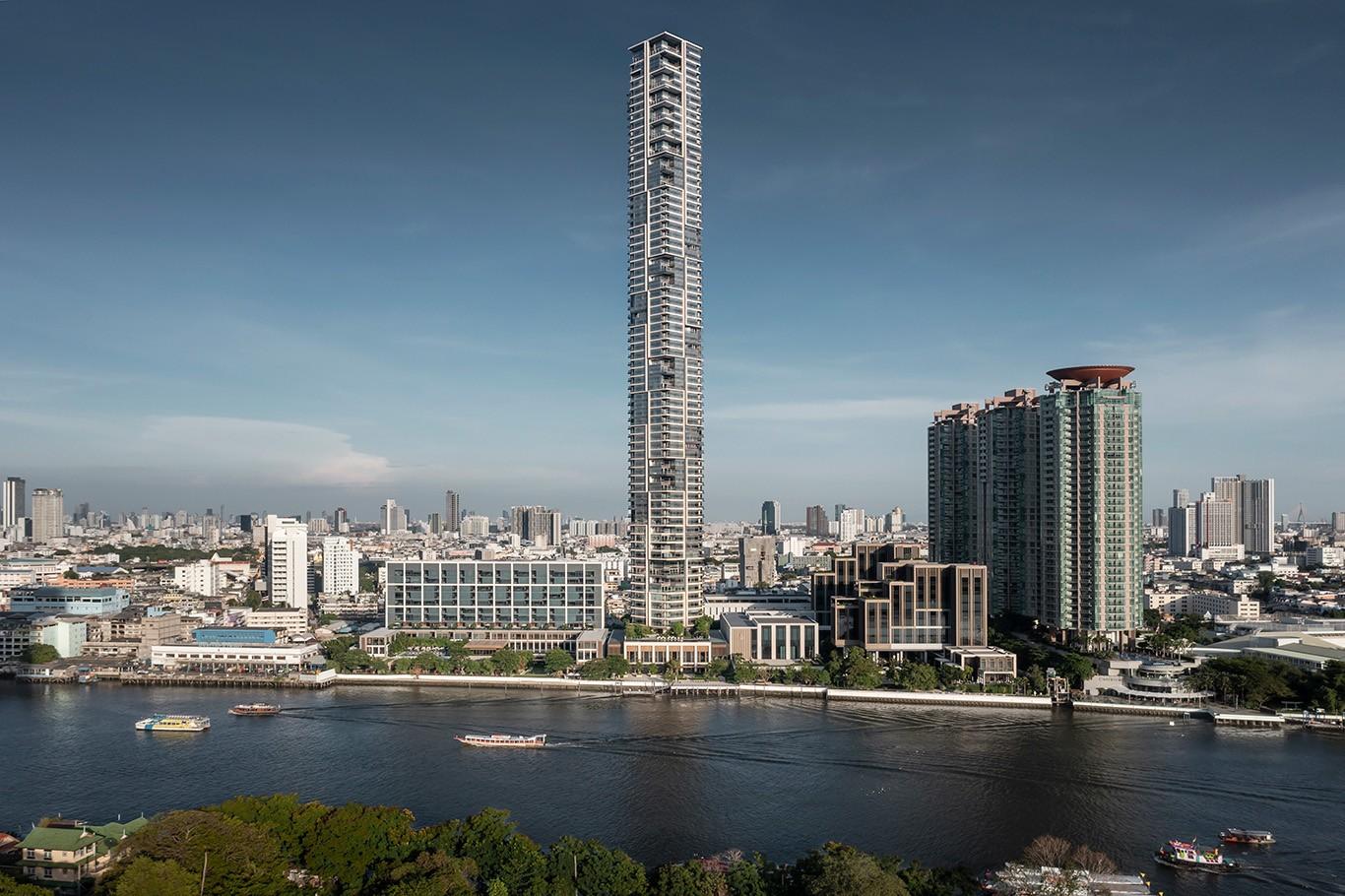
Traditionally, branded residences have benefited from their association with an established hotel, sharing infrastructure such as concierge services, housekeeping, security, engineering, kitchens and wellness facilities.
But that relationship is changing.
Knight Frank's 2025 research found that 82% of existing hotel-branded residential schemes were located alongside a hotel, compared with 70% of developments in the pipeline.
As standalone branded residences become more established, the hospitality offer requires a different operational and commercial approach. Without shared hotel infrastructure, developments must accommodate their own servicing and staffing requirements, while ongoing costs need to remain proportionate to the number of residences and the services provided.
More amenities do not necessarily create a better residential experience. Understanding which facilities residents value, how frequently they will be used and how efficiently they can be operated is fundamental to developing an appropriate hospitality offer.
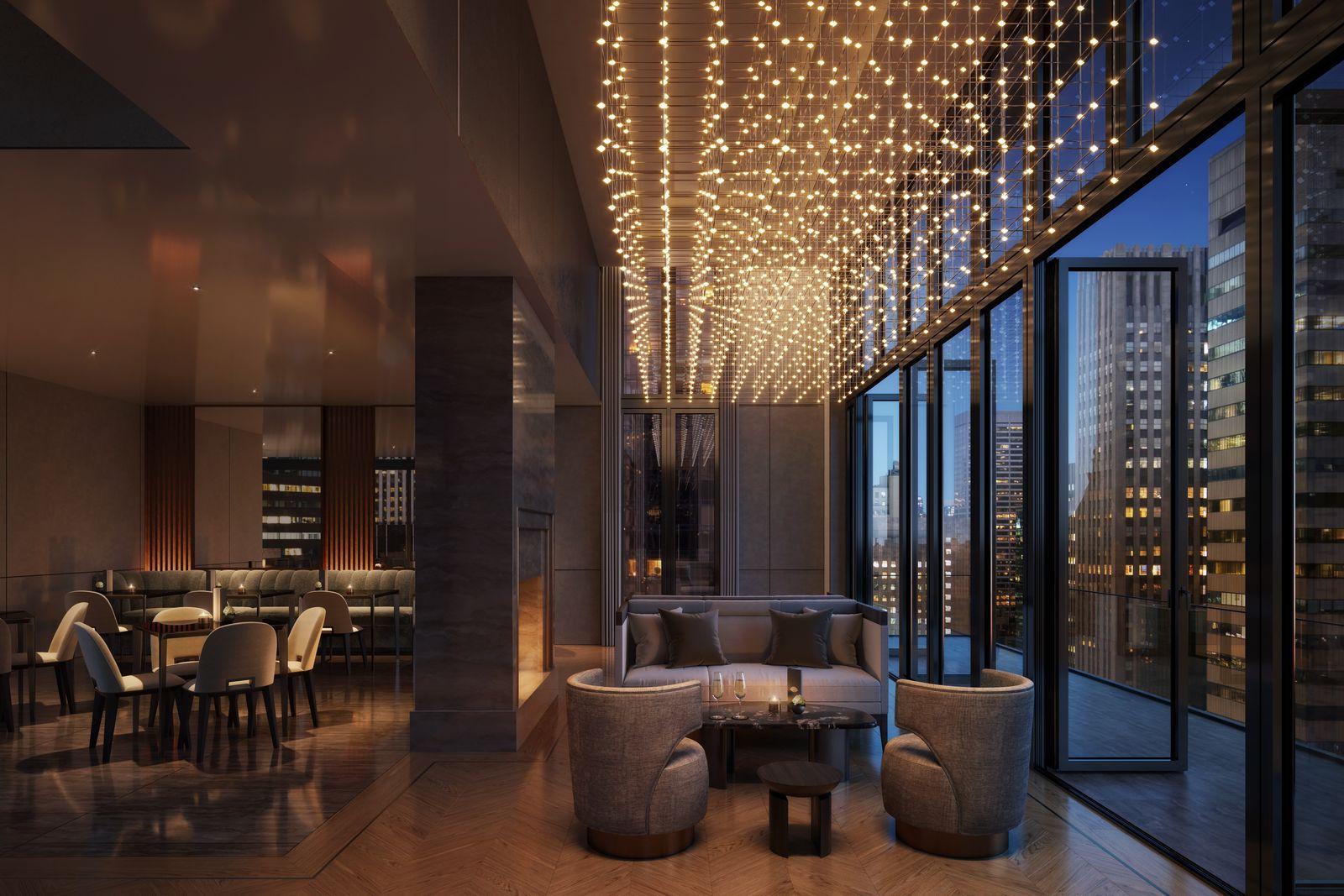
Where architecture and hospitality meet
For architects, these considerations extend well beyond the design of individual apartments.
A branded residence must provide the privacy, security and comfort of a home while accommodating the convenience and sophistication associated with luxury hospitality.
The arrival sequence, resident amenities, circulation, service access and back-of-house infrastructure all need to work together. A considered arrival can establish a sense of exclusivity without recreating a hotel lobby. Well-planned amenities can support everyday living rather than simply enhance a sales brochure, while discreet service routes allow hospitality operations to function without compromising residential privacy.
These decisions have implications for spatial planning, building services, operational efficiency and the long-term performance of the development.
Ultimately, the objective is not to recreate a hotel within a residential building, but to translate the qualities of hospitality into an environment designed for long-term living.
Achieving this requires architecture, hospitality operations and commercial considerations to be developed together from the outset, with the residential experience at the centre of the design process.
The quality of this approach is ultimately revealed through everyday use. In how naturally residents engage with the amenities, how discreetly services are delivered and how the building continues to meet their needs over time.